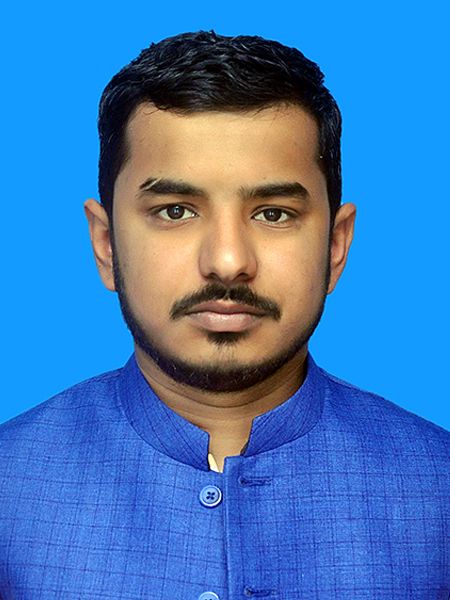
Prof. Dr. Hassan Mohiuddin Qadri
Message
From the Chairman, Board of Governors, Nizam-ul-Madaris Pakistan
Education is not merely the transfer of information; it is a powerful means of character building, intellectual development, and preparing individuals to serve society responsibly. In the Islamic tradition, knowledge is a sacred trust. Every institution entrusted with the service of knowledge bears the responsibility of integrating education with faith, ethics, discipline, insight, and practical wisdom. The Islamic intellectual tradition has thoughtfully structured the journey of acquiring knowledge and developing the personality through distinct academic and training stages. This journey begins with Ta'leem (instruction), through which a teacher passes the trust of knowledge to the next generation, while Ta'allum (learning) is its essential complement, requiring the student to actively pursue knowledge with enthusiasm and dedication. Through Tadrees (teaching), knowledge is taught in an organized and coherent manner, while Mudaarasah (academic dialogue and mutual discussion) gives depth and maturity to understanding. Mumaarsah transforms knowledge into practice, and Tadreeb develops skill and excellence through continuous practice and training. At the stage of Takhrij, the student develops the ability to derive rulings and draw conclusions, while Takharruj represents far more than the attainment of a certificate; it signifies completion of knowledge together with the development of character. This entire academic and training journey is adorned with Adab—the cultivation of noble character—and ultimately reaches the elevated destination of Ma'rifah, where knowledge is no longer merely information but becomes a light of the heart and soul. In light of these academic and training stages, Nizam-ul-Madaris Pakistan is playing an important role in organizing religious education on strong academic, ethical, and administrative foundations. The demands of the contemporary era require the preparation of scholars, researchers, students, and religious leaders who maintain a deep connection with the Qur'an and Sunnah, understand modern challenges, uphold peace and moderation, and can guide society with wisdom, balance, and insight. A successful educational system is one that brings together authenticity and innovation—one that preserves our rich intellectual and spiritual heritage while also embracing modern requirements in teaching, examinations, research, training, and institutional administration. In this regard, Nizam-ul-Madaris Pakistan has strong potential to strengthen the future of religious education through standards-setting, transparency, teacher training, curriculum development, and an organized examination system. The true purpose of knowledge is service: service to the faith, service to humanity, and service to future generations. Students should be trained in such a way that they do not merely learn to speak but speak with insight; do not merely acquire knowledge, but live responsibly; and do not merely lead, but guide others with humility, justice, sincerity, and compassion. I pray that Allah Almighty grants Nizam-ul-Madaris Pakistan continued success in its educational, training, and reformative mission, and makes it an effective means of guidance, intellectual dignity, unity, moderation, and positive change for the Muslim Ummah. Ameen.
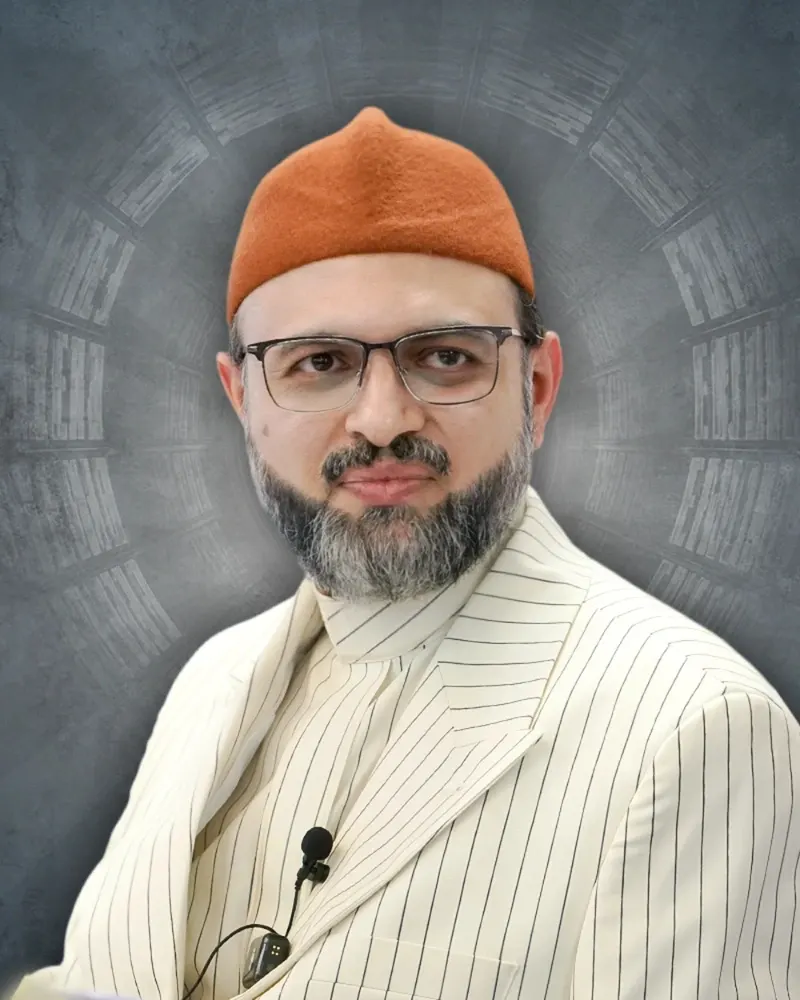
Prof. Dr. Hassan Mohiuddin Qadri
Chairman, Board of Governors, Nizam-ul-Madaris Pakistan
Leadership
Other messages
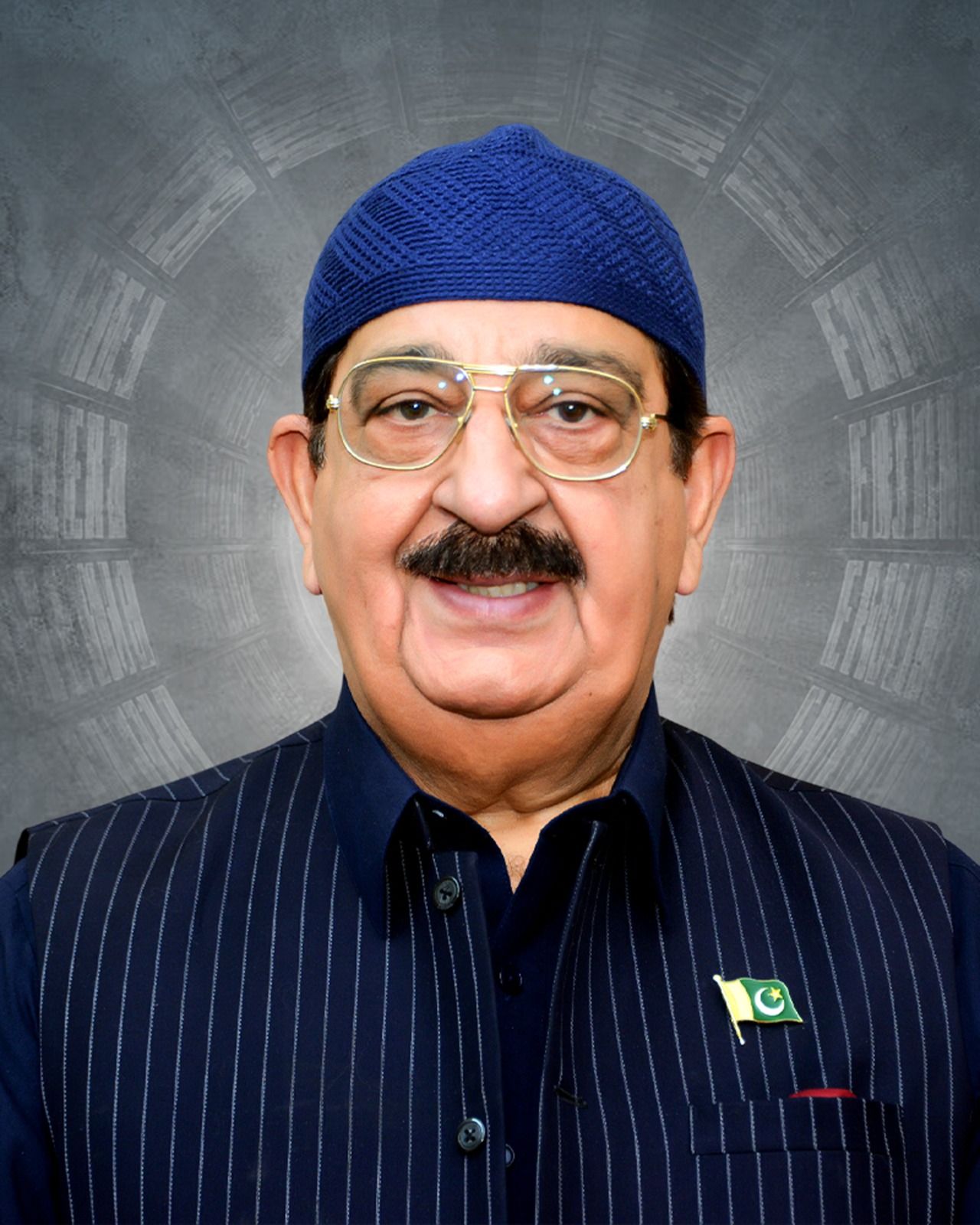 Deputy Chairman, Board of Governors, Nizam-ul-Madaris Pakistan
Khurram Nawaz Gandapur
Education is the foundation of every successful society. When knowledge is conne...
Deputy Chairman, Board of Governors, Nizam-ul-Madaris Pakistan
Khurram Nawaz Gandapur
Education is the foundation of every successful society. When knowledge is conne...
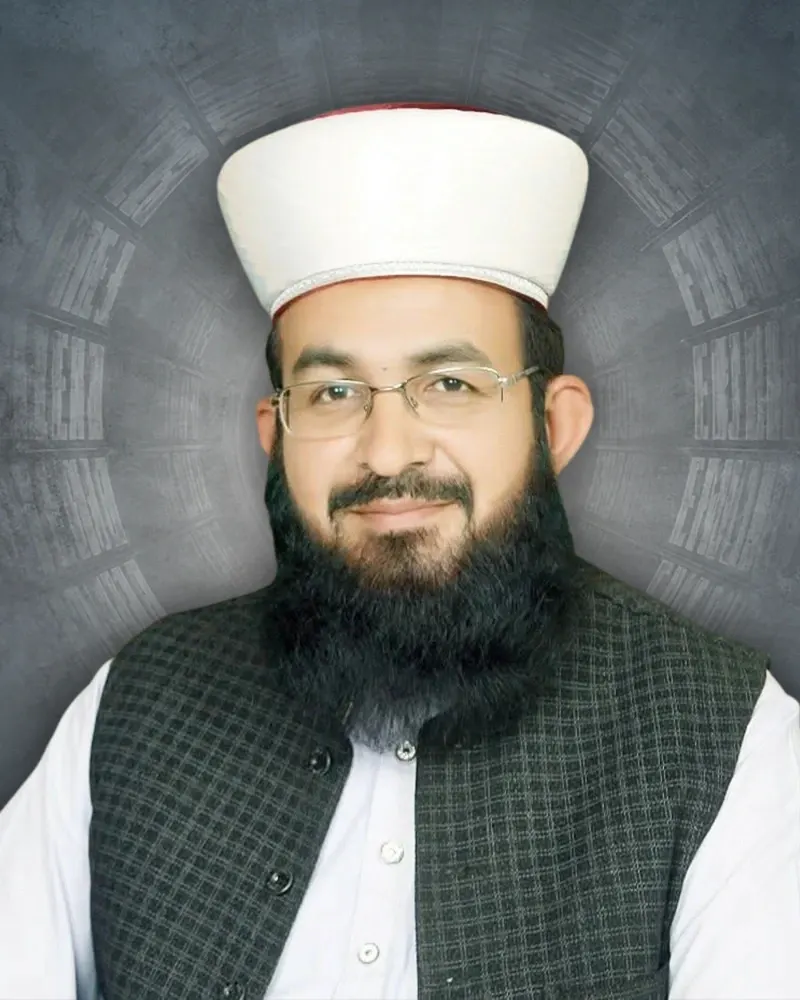 President, Nizam-ul-Madaris Pakistan
Allama Mufti Ghulam Asghar Siddiqui
In the present era, when the world—and particularly our society—is facing seriou...
President, Nizam-ul-Madaris Pakistan
Allama Mufti Ghulam Asghar Siddiqui
In the present era, when the world—and particularly our society—is facing seriou...
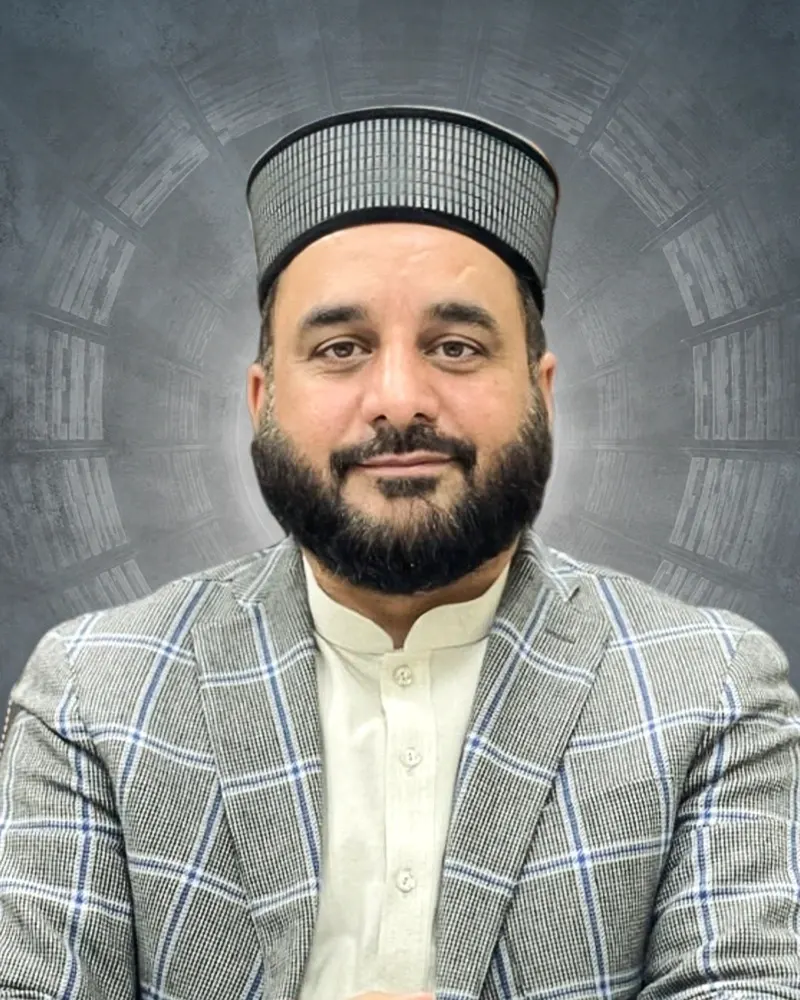 Nazim-e-Aala, Nizam-ul-Madaris Pakistan
Dr. Mir Muhammad Asif Akbar Qadri
Nizam-ul-Madaris Pakistan is a national religious educational board that believe...
Nazim-e-Aala, Nizam-ul-Madaris Pakistan
Dr. Mir Muhammad Asif Akbar Qadri
Nizam-ul-Madaris Pakistan is a national religious educational board that believe...
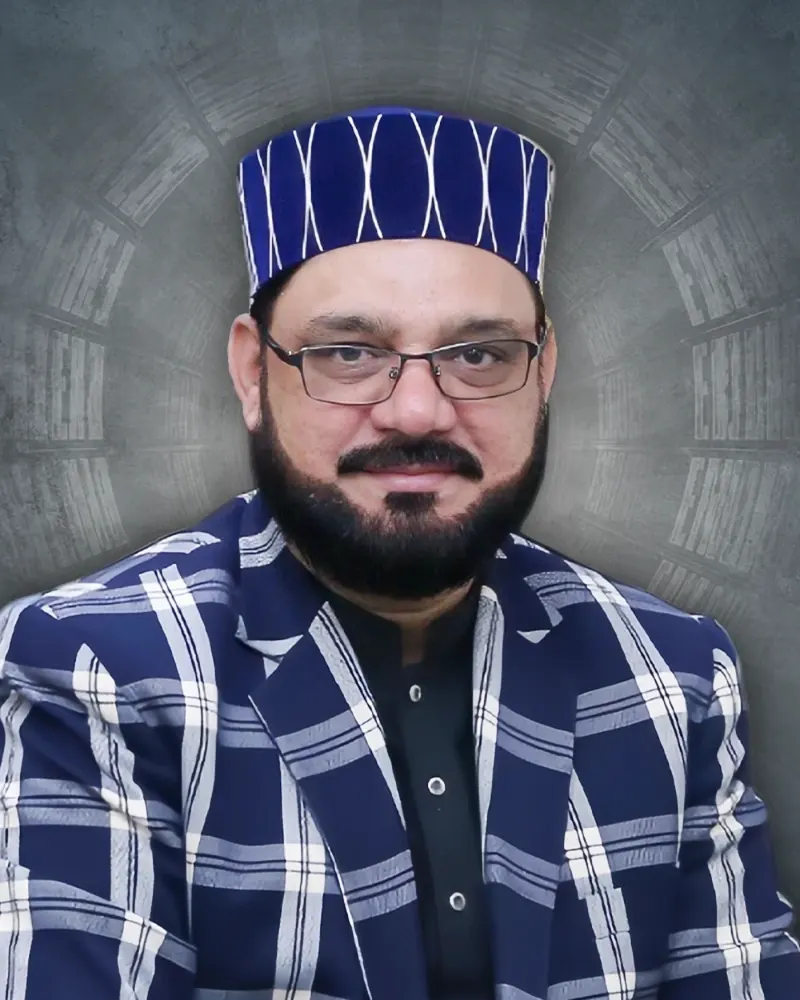 Controller of Examination, Nizam-ul-Madaris Pakistan
Ain-ul-Haq Baghdadi
Examinations are a vital pillar of any educational system. A transparent, organi...
Controller of Examination, Nizam-ul-Madaris Pakistan
Ain-ul-Haq Baghdadi
Examinations are a vital pillar of any educational system. A transparent, organi...