Madaris Must Adapt to Contemporary Educational and Social Needs: Allama Dr. Mir Muhammad Asif Akbar Qadri
Madaris Must Adapt to Contemporary Educational and Social Needs: Allama Dr. Mir Muhammad Asif Akbar Qadri
Category
Educational Conferences
Published
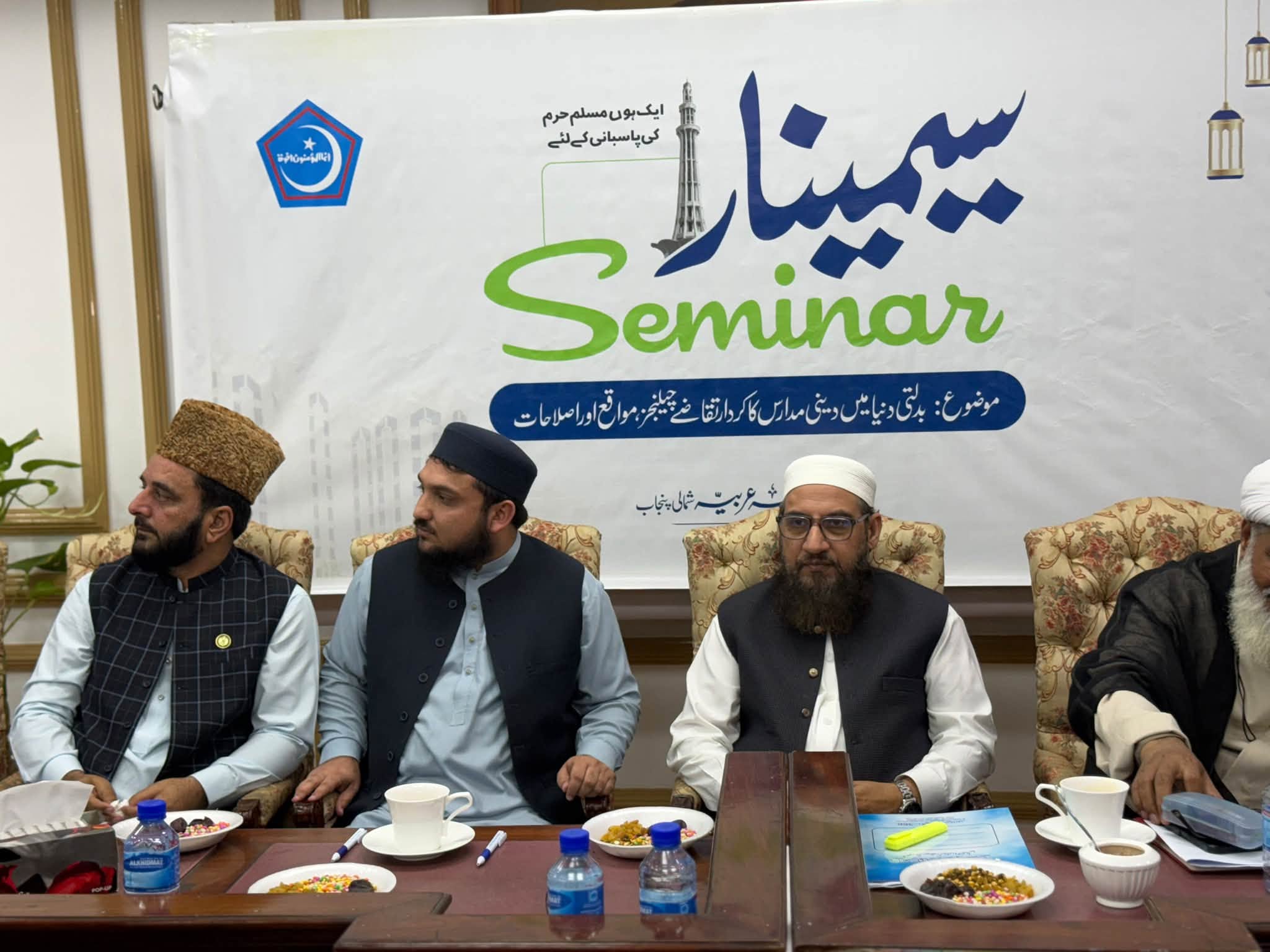
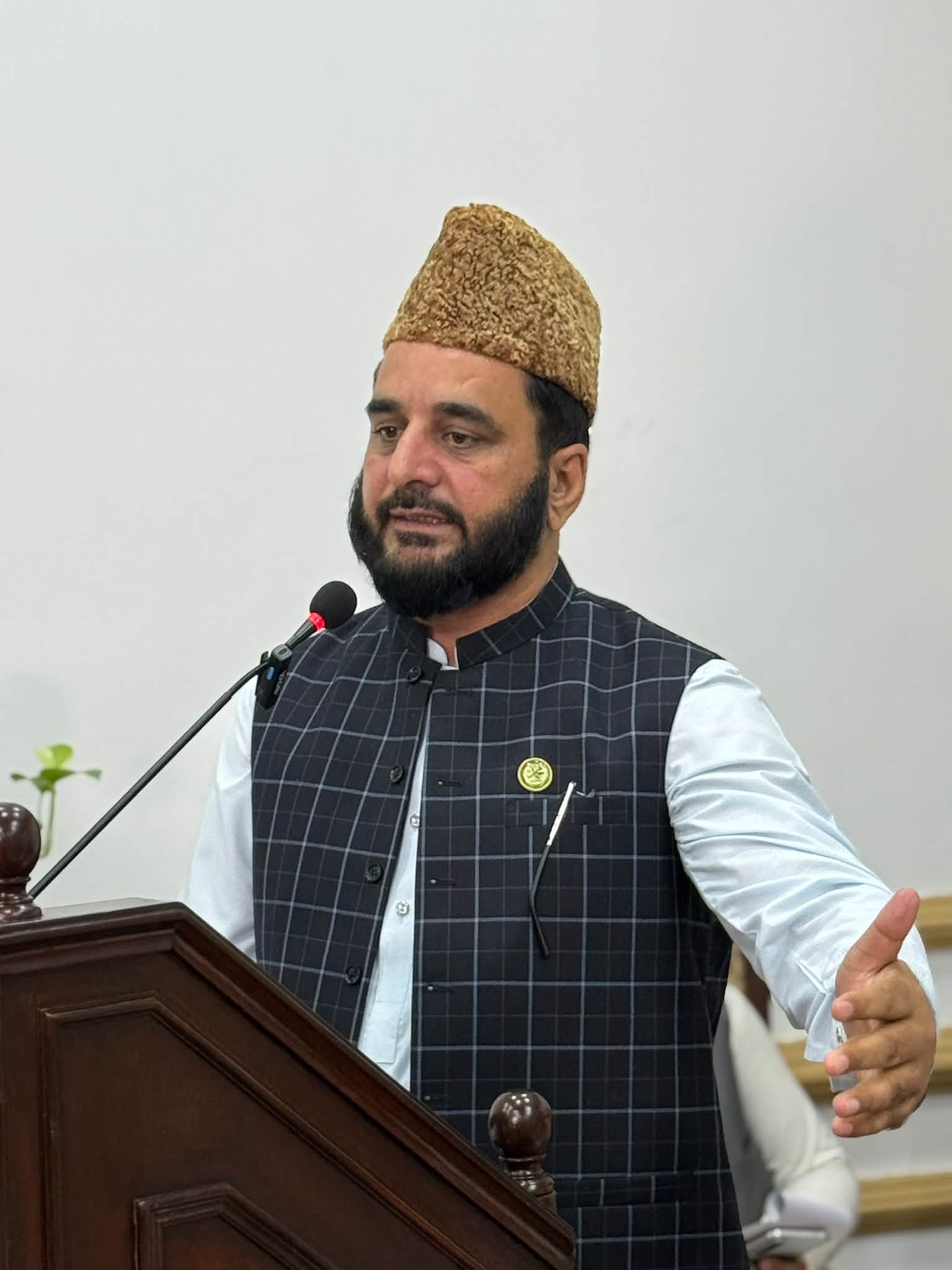
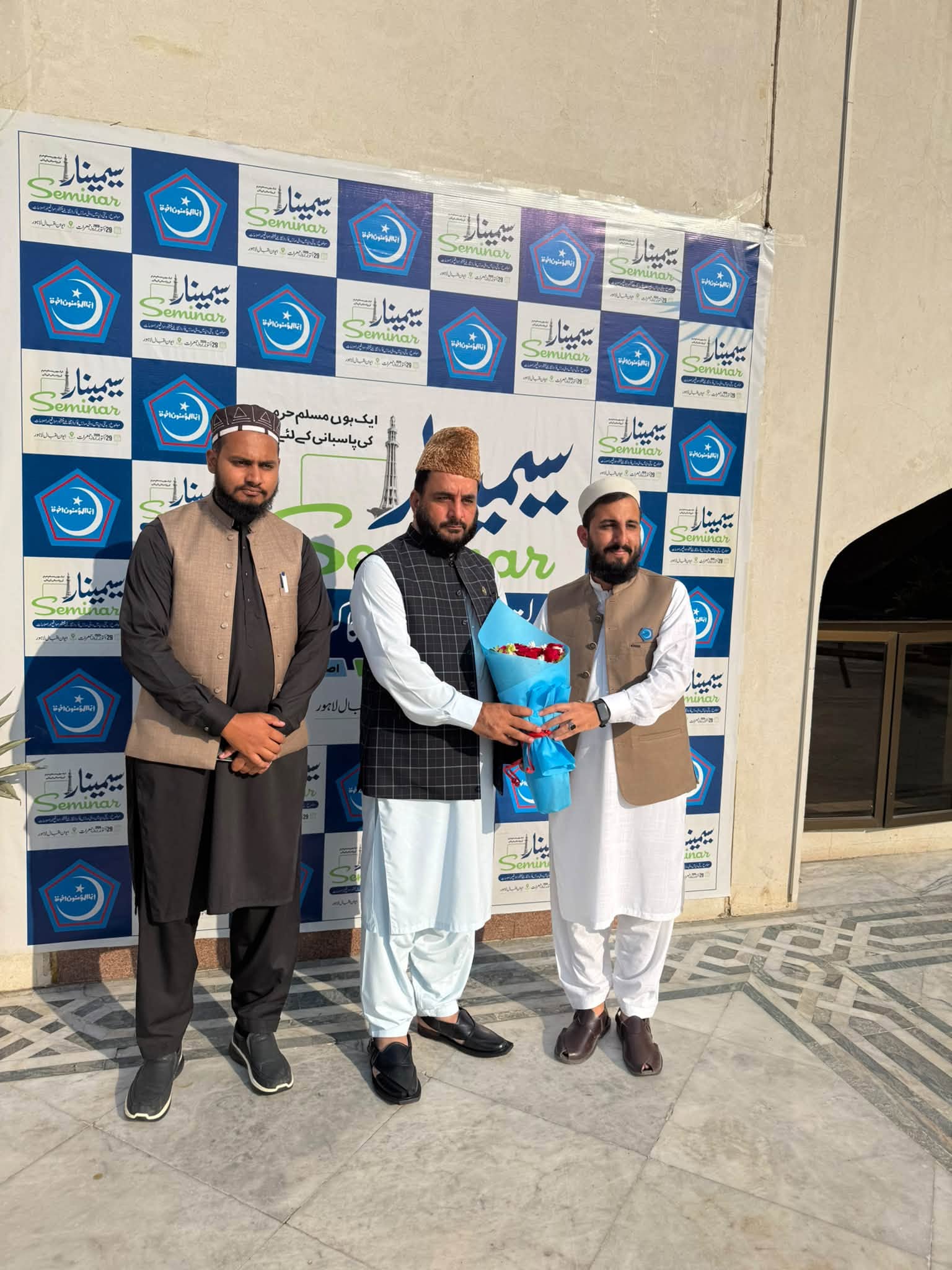
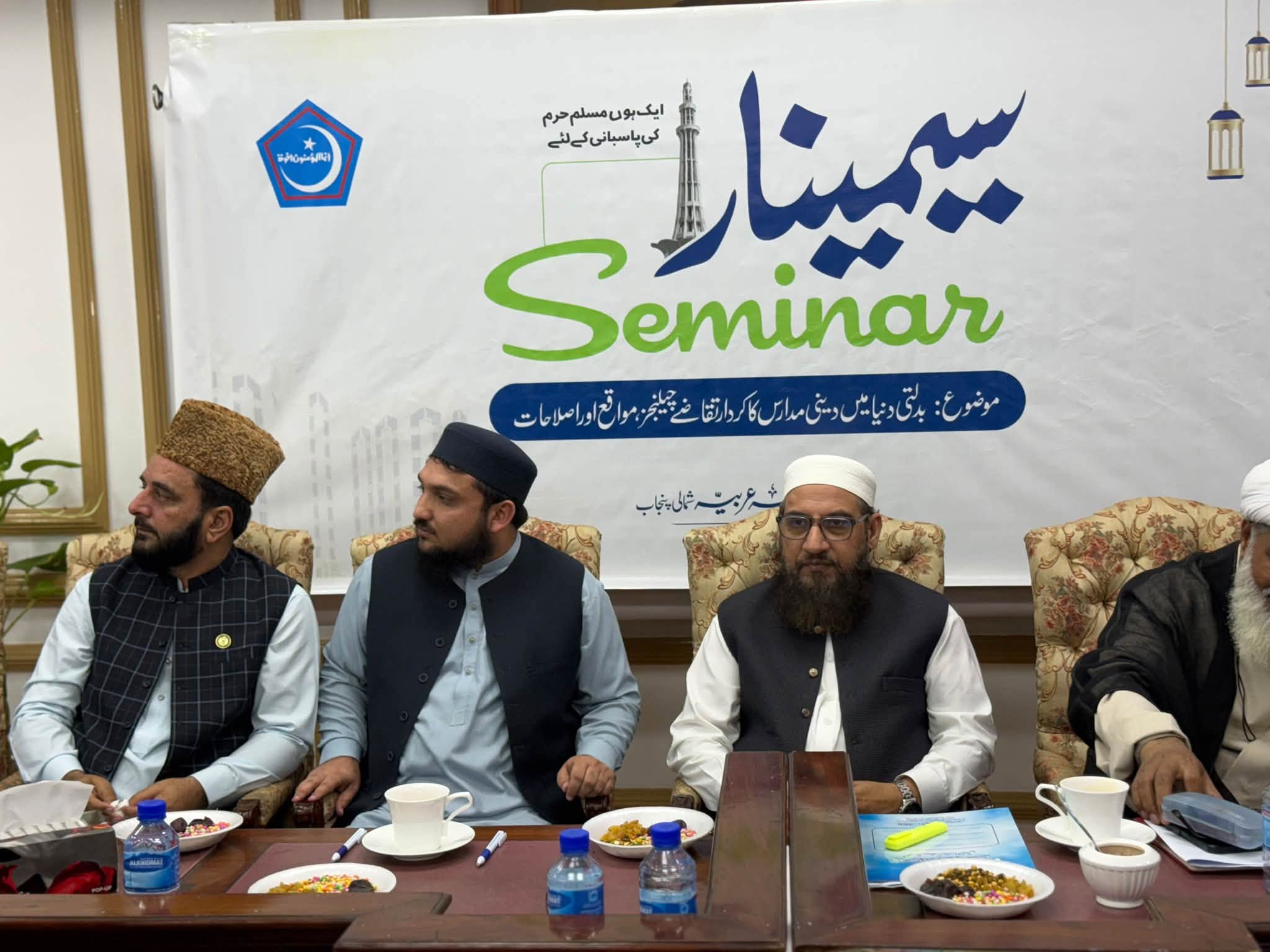
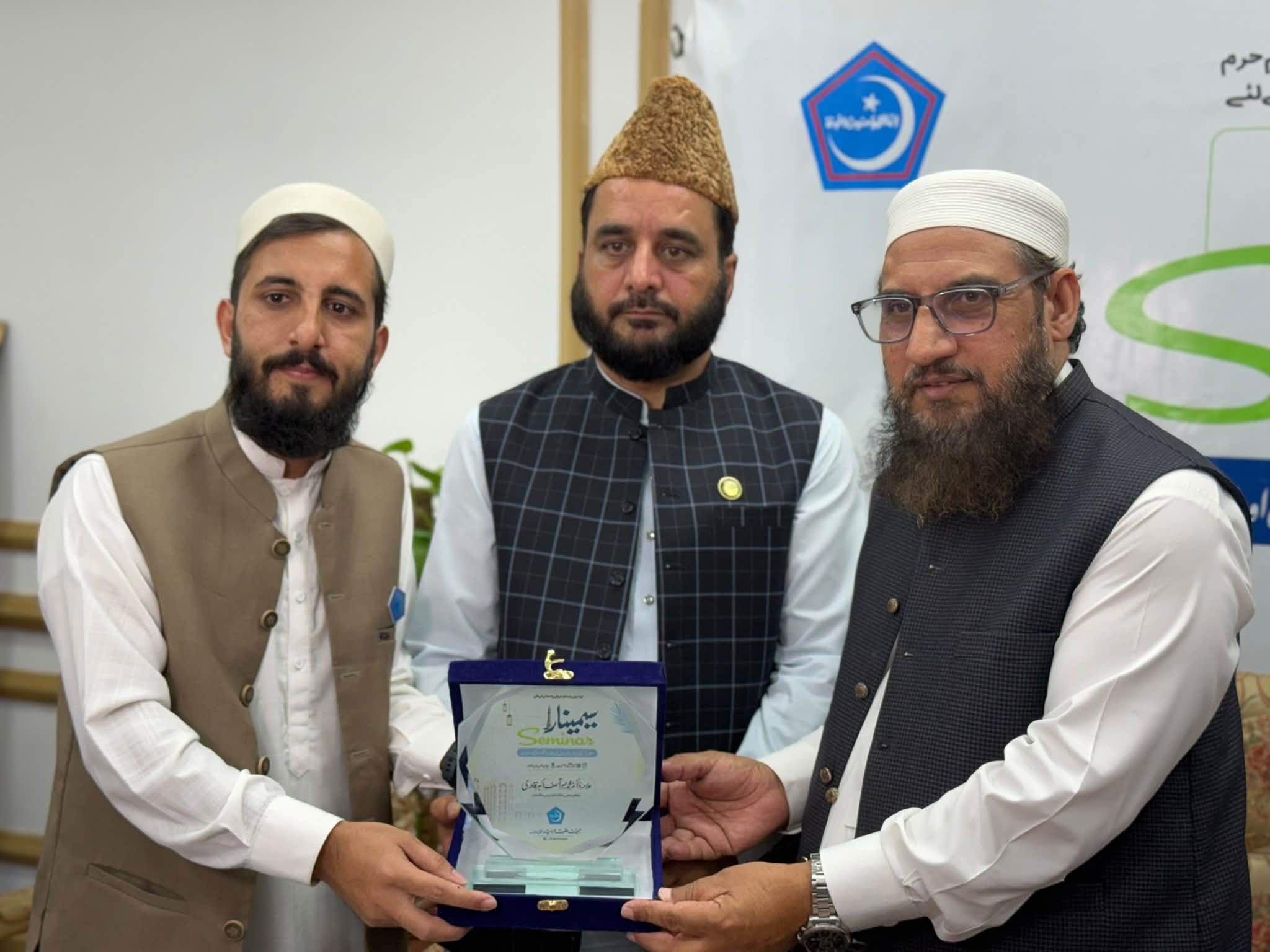
Allama Dr. Mir Muhammad Asif Akbar Qadri, Nazim-e-Ala Nizam-ul-Madaris Pakistan and Spokesperson of Muttahida Madaris Council Pakistan, addressed a seminar at Aiwan-e-Iqbal, Lahore, where he highlighted the challenges confronting Madaris and emphasized the need for meaningful reforms to meet contemporary educational, social, and professional requirements.
He said that the changing global environment requires Madaris to critically review their educational structures and acknowledge the factors that influence parents’ choices regarding their children’s education. He noted that many families, including those with strong religious backgrounds, prefer private educational institutions because they seek qualifications that provide greater access to higher education, professional opportunities, and employment.
Allama Dr. Mir Muhammad Asif Akbar Qadri stressed that Madaris curricula should address contemporary religious and jurisprudential questions, science and technology, economic challenges, social issues, family matters, and modern research methodologies. He said that such reforms are essential for strengthening public confidence in Madaris and enabling their graduates to respond effectively to the intellectual and practical needs of society.
He emphasized that reform should not come at the cost of religious identity. Rather, Madaris should combine their traditional scholarly strengths with modern knowledge, research, technology, professional skills, and contemporary academic standards.
Referring to the initiatives of Nizam-ul-Madaris Pakistan, he said that practical steps have already been taken to modernize religious education while preserving its academic and spiritual foundations. He added that the Muttahida Madaris Council Pakistan is also working collectively to address wider challenges facing the Madaris system.
He further expressed the hope that traditional religious education boards would join this process through constructive cooperation so that Madaris could become more effectively integrated into the national educational framework.
Concluding his address, Allama Dr. Mir Muhammad Asif Akbar Qadri said that the future of Madaris depends on four essential priorities: preserving religious identity, improving educational quality, integrating contemporary knowledge, and ensuring wider recognition of Madaris qualifications.